
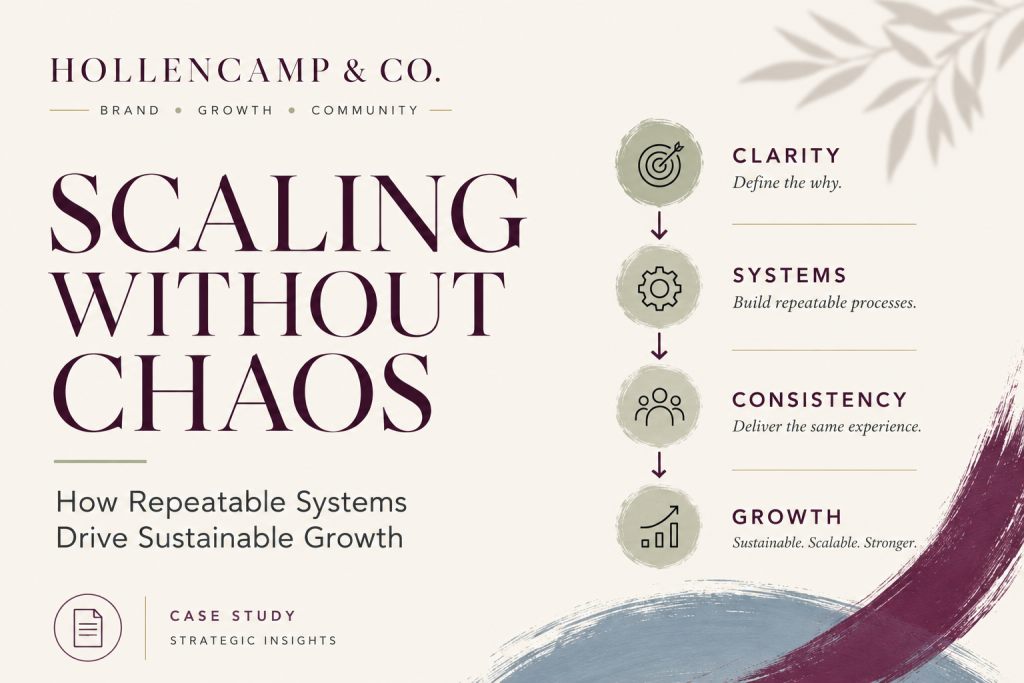
A case study in building scalable marketing infrastructure for multi-event organizations”
Brand Strategy • Growth Marketing • Community Engagement
Engagement Period: 2022–2025
Overview
A national youth sports organization operating 70+ live and virtual events annually needed a more scalable approach to marketing, communications, and participant acquisition.
As Marketing Manager, I built the systems, campaigns, and reporting infrastructure that supported athlete participation, event registrations, and organizational growth across the full event portfolio. As the organization’s sole marketing professional, I also served as the bridge between leadership, operations, sales, event production, partners, and customers—aligning marketing initiatives with broader business objectives.
The Challenge
Marketing efforts were reactive and decentralized. Event promotion varied across markets. Automation and reporting infrastructure were limited. Competition was intensifying, and growth goals needed to be achieved without significant increases in staffing or budget.
The Objective
Create scalable marketing systems that could support dozens of events while improving participant acquisition, retention, and organizational visibility.
Strategy
1. Built Scalable Marketing Infrastructure
Developed repeatable systems and workflows for event launches, registration campaigns, email marketing, social media planning, content production, and reporting—reducing operational friction while creating consistency across the entire event portfolio.
2. Improved the Customer Journey
Mapped communications and touchpoints across the full participant lifecycle—awareness, consideration, registration, event preparation, experience, and retention—creating a more intentional and cohesive experience for athletes, coaches, and families.
3. Expanded Community-Centered Content
Shifted content strategy toward storytelling and community building by highlighting athletes, coaches, program success stories, and event experiences—resulting in stronger audience connection and increased organic engagement.
4. Introduced Performance Measurement
Implemented ongoing reporting and campaign evaluation to provide visibility into marketing effectiveness, audience engagement, traffic sources, and registration performance—allowing marketing decisions to become increasingly data-informed.
5. Led Cross-Functional Alignment
As the organization’s only marketing team member, partnered directly with executive leadership, operations, sales, event staff, and external partners to ensure marketing strategy supported organizational priorities, revenue goals, customer experience, and event execution.
Results
Revenue Impact
- Influenced approximately $174,856 in new revenue
Participation Growth
- Supported 72 new teams
- Supported approximately 970 new athlete registrations
Audience Growth
Annual Facebook Performance:
- 262,669 Reach
- 22,973 Engagements
- 5,741 Link Clicks
- 113,216 Page Visits
- +1,796 Followers
Organizational Scale
- Supported marketing initiatives across a portfolio of 70+ annual live and virtual events
- Supported 45 live events and 7 virtual events
- Led marketing initiatives for large-scale destination events
Key Takeaway
This project demonstrates the ability to build scalable marketing systems, align strategy with business objectives, and create measurable growth across a complex, multi-event organization.
The most valuable outcome was not a single campaign—it was the creation of repeatable systems that enabled growth, improved visibility, strengthened organizational alignment, and supported a better experience for athletes, coaches, and families.